inquiry
Leave Your Message
0%

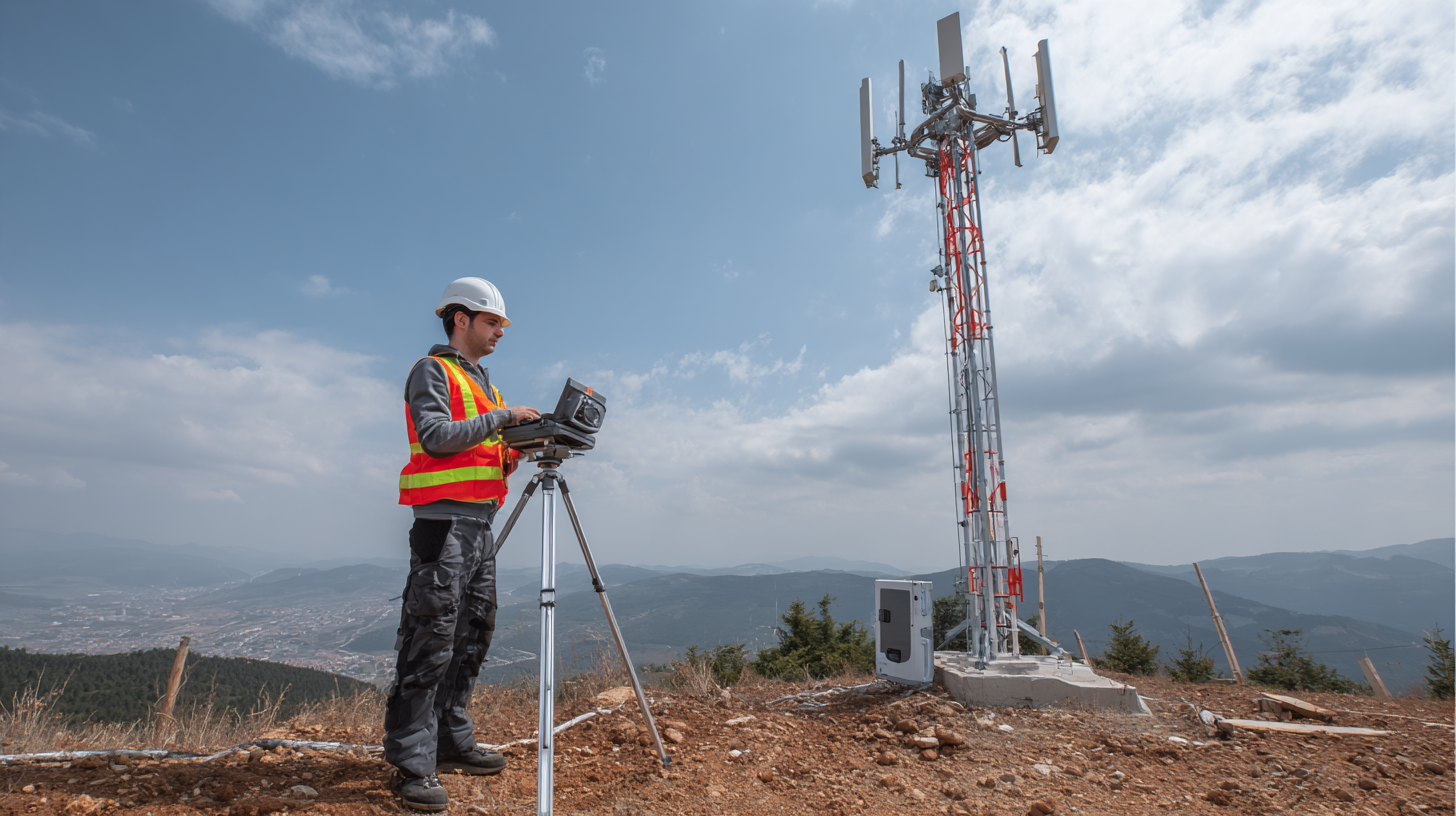
In the world of geospatial surveying, things are always changing, and the performance of a Gnss Base Station really makes a big difference in how accurate your data collection turns out to be. Interestingly, a recent report from the U.S. National Geospatial-Intelligence Agency mentioned that tuning up your GNSS systems can boost positioning accuracy by as much as 30%. So, for surveyors and mapping pros, it’s pretty clear that having a solid setup strategy is super important. At Shanghai Apekstool (APEKS), we totally get how crucial precision is for your projects. That’s why we focus on offering innovative GNSS and GPS systems, along with accessories, all designed to handle whatever surveying challenge you're facing. Our solutions are reliable, no doubt about it, but more than that—they’re here to help you get the most out of your GNSS Base Station so you can work more efficiently and get the accurate results you need, every time.
7 Essential Tips for Optimizing Your GNSS Base Station Setup: Boost Accuracy by 30%

Understanding GNSS Base Station Fundamentals for Enhanced Accuracy

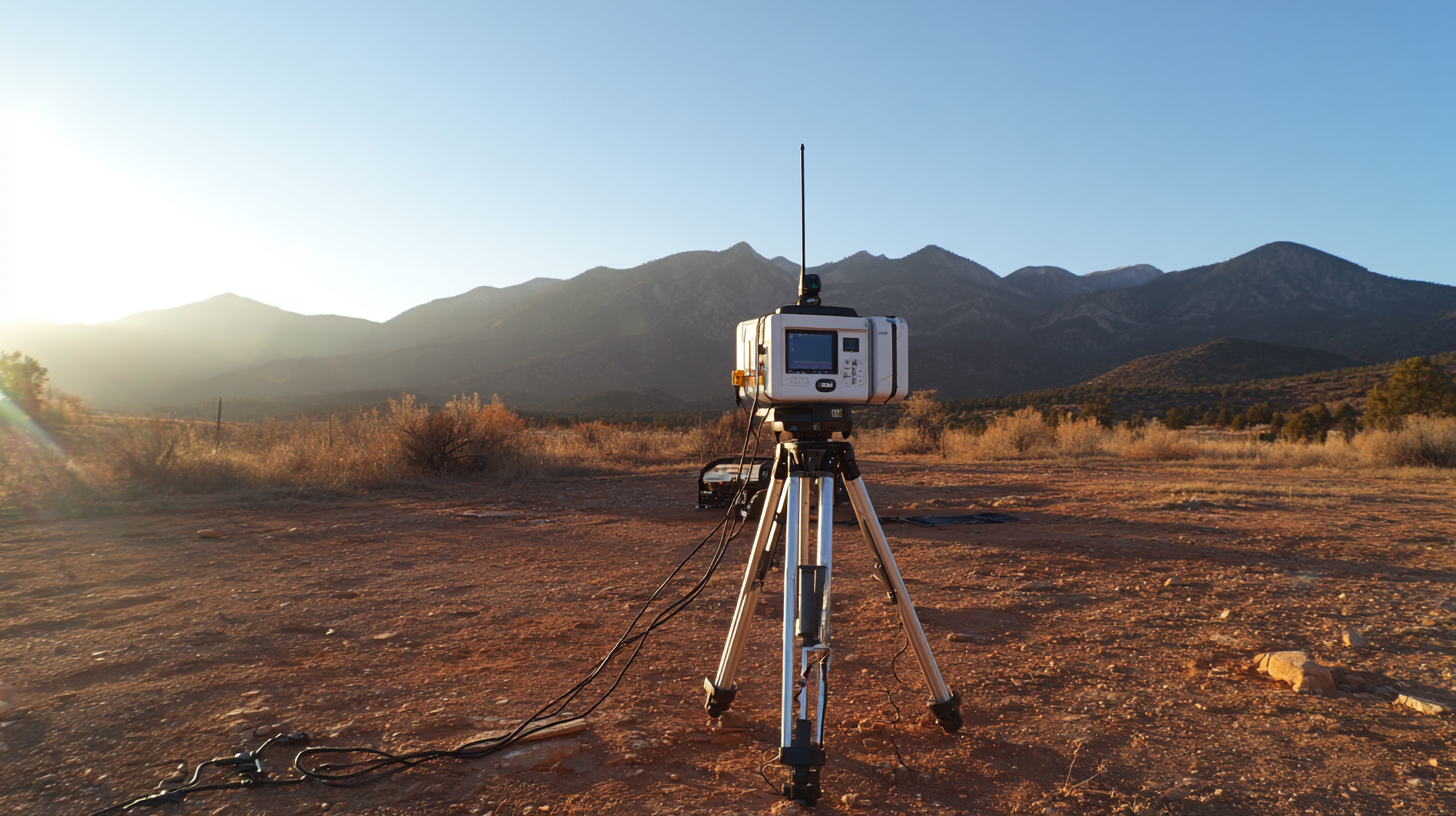
The Global Navigation Satellite System (GNSS) is pretty much the backbone when it comes to pinpointing locations accurately—whether you're doing land surveys or working on self-driving cars. If you're serious about getting the most out of your GNSS setup, it pays to understand how those base stations work. Basically, a GNSS base station acts like a reference point. It catches signals from satellites and then processes that info to send corrections to nearby roving receivers. These corrections are a game-changer because they help cut down on errors from stuff like atmospheric interference, satellite positions, or signal reflections—making your position data way more reliable.

To really dial in your GNSS base station, there are a few things to consider. Picking the right spot for your station is super important—ideally, somewhere open and free from obstacles that could block the sky. And trust me, investing in good-quality antennas and receivers makes a big difference in the quality of the signals and the accuracy of those corrections. Plus, don't forget about regular check-ups—keeping your equipment updated and well-maintained is key to keeping everything running smoothly. In the end, these small steps can really set the stage for getting those precise, dependable results you've been after.

7 Essential Tips for Optimizing Your GNSS Base Station Setup: Boost Accuracy by 30%

Tip Description Impact on Accuracy (%) Implementation Difficulty (1-5)
Location Selection Choose a clear line of sight to satellites with minimal obstructions. 15 3
Antenna Type Use a high-quality Gnss Antenna suited for your applications. 20 4
Calibration Regularly calibrate your base station to maintain accuracy. 10 2
Firmware Updates Keep your equipment's firmware updated to enhance performance. 5 2
Data Filtering Implement data filtering techniques to reduce noise. 12 3
Power Supply Ensure a stable power supply to avoid data loss. 8 2
Monitoring System Set up a monitoring system for real-time performance assessments. 10 4

Selecting the Optimal Location for Your GNSS Base Station Setup

Choosing the right spot for your GNSS base station is super important because it really affects how accurate and reliable your positioning data will be. When you're out looking for a good place, try to find open areas with as few obstructions as possible. Things like tall buildings, trees, or other structures can cause multipath errors—basically, signals bouncing around before they get to your receiver, which messes up the data. The best spot is one with a clear view of the sky so your receiver can lock onto as many satellites as it can. Having an open horizon means your base station will get a strong, steady signal, which is key to getting those high-precision readings.

Also, don’t forget about ground stability. If the ground is shaky or affected by traffic, construction, or other vibrations, it can mess with your measurements. It’s a good idea to pick a spot that’s geologically stable and away from heavy machinery or industrial stuff. Sometimes, it helps to do some quick tests beforehand—check how stable it feels and how good the signal is from different locations. Taking the time to pick a solid, unobstructed spot really pays off, and you might see up to a 30% boost in the accuracy of your position data.

Importance of Proper Antenna Positioning and Height Adjustment

When you're setting up a GNSS base station, paying attention to where and how you position and height your antenna really matters—these little things can make a huge difference in accuracy. Making sure your antenna is in the right spot is key because it helps catch those satellite signals at their best, which is super important if you're aiming for high-precision positioning. The angle at which you set the antenna is pretty crucial too—get it right, and it can boost signal quality while cutting down on multipath interference, especially if you're in a busy city or somewhere with lots of trees. Taking the time to fine-tune both the position and the angle can really lift your system’s performance.

7 Essential Tips for Optimizing Your GNSS Base Station Setup: Boost Accuracy by 30%

And don’t forget about the height! Placing the antenna too low can mean signals get blocked by nearby buildings or branches, messing with your accuracy. Raising your antenna properly allows you to tap into more satellites and avoid those pesky obstructions, so your data stays reliable. Following these straightforward tips can seriously improve your results — we're talking improvements of up to 30%! When everything’s set up just right, your GNSS base station will be ready to give you Precise Positioning info, which is crucial whether you're doing surveying, mapping, or otherhigh-stakes tasks.

Maintaining Clear Line of Sight to Improve Signal Quality

Keeping a clear line of sight is pretty much essential if you want your GNSS base stations to perform well. Obstructions like buildings, trees, or even bad weather can really mess with the signal, sometimes reducing it by up to half. That’s a big deal because it can seriously affect how accurate and reliable the system is. So, if you’re setting up a base station, it’s smart to find a spot with an open view of the sky — this helps boost the satellite signals, which is actually key for hitting that 30% improvement in accuracy.

Looking at it from an industry perspective, data from NOAA shows that having a perfect line of sight really boosts satellite communication. For example, military and aviation folks have been using high-tech positioning to make sure they get real-time data with very few errors — and they tend to set up in open areas to get the best signal. Even in telecom, small tweaks in where you place your antenna can make a noticeable difference in signal quality. All these little adjustments really underline how important good positioning is if you want your GNSS system to perform at its best and stay reliable across different uses.

7 Essential Tips for Optimizing Your GNSS Base Station Setup: Boost Accuracy by 30%

Regular Calibration and Maintenance for Long-Term Precision

Keeping up with regular calibration and maintenance is really key if you want your GNSS base station to stay precise over the long haul. I mean, according to NOAA, just doing routine checks can actually bump up your positioning accuracy by as much as 30%. That’s because it helps you catch and correct those tiny errors caused by atmospheric conditions, satellite issues, or even the hardware itself—things that tend to creep in if you don’t keep an eye on them. Making sure your equipment’s settings are spot-on and recalibrating as the manufacturer suggests can save you headaches later, especially when environmental factors or wear and tear start messing with your data.

Data from the International GNSS Service backs this up, showing that stations that get regular maintenance tend to report their position within about 2 to 5 millimeters accuracy—much better than those that skip these steps. Something as simple as checking if your antenna’s sitting steady, updating the firmware, or making sure your connection to correction services is solid can make a real difference. As GNSS tech becomes more and more important—for farming, surveying, even autonomous vehicles—skimping on maintenance could cause some serious issues. So, setting up a solid maintenance routine isn’t just a good idea; it's pretty much essential for keeping your GNSS system reliable and accurate down the line.

Implementing Advanced Software Tools for Data Processing Efficiency

When you're setting up your GNSS base station, using some advanced software tools can really make a difference in how smoothly everything runs. Not only do these tools help speed up the data processing, but they also boost the accuracy of your readings, making sure you get reliable and precise results. If you opt for software that offers real-time data analysis, you'll find yourself spending less time on post-processing, which means you can make quicker decisions out in the field — pretty handy, right?

One tip I’ve found super useful is to go for cloud-based solutions for storing and processing your data. Having everything on the cloud means easy access to large datasets and powerful analysis tools, and it’s a breeze to collaborate or share insights with your team. Also, investing in software with machine learning features can really step up your game — it helps spot patterns and catch anomalies in your GNSS data, leading to even more accurate results.

And don’t forget to keep your software up-to-date. Developers often release updates that improve performance and add new features, so staying current can make your station run more smoothly. Keeping an eye on the latest in GNSS software can seriously improve your processing speed and accuracy — sometimes by as much as 30%. Trust me, a little maintenance like that can go a long way!

GNSS Base Station Optimization: Accuracy Improvement

Unlocking Precision in Surveying: A Deep Dive into the Topcon GM52 Total Station

In the realm of modern surveying, precision is paramount, and the Topcon GM52 Total Station stands out as a formidable tool designed to meet the rigorous demands of construction and land surveying applications. With integrated construction and survey application software, the GM52 facilitates seamless data collection and processing, ensuring that surveying professionals can focus on accuracy and efficiency. Its Bluetooth communication capability enhances connectivity, making it easier to transfer data and collaborate in real-time.

The GM52's Electronic Distance Measurement (EDM) system is where its true power lies. With an accuracy of 1.5mm + 2.0ppm to prisms and a reflectorless accuracy of 2mm + 2ppm, it ensures that measurements are not only rapid but also exceedingly precise. Capable of reflecting up to 4,000m with prisms and 500m in reflectorless mode, it expands the usability in diverse field conditions. Coupled with an advanced angle accuracy of 2” and a robust IP66 dust and waterproof rating, the GM52 is engineered to perform reliably in the most challenging environments.

As the industry increasingly demands advanced technology, the GM52's dual keyboard feature enhances user interaction, especially for those engaged in intensive data entry tasks. Reports indicate that devices improving operational efficiency and accuracy are crucial to maintaining competitiveness in the surveying industry. Therefore, investing in tools like the Topcon GM52 Total Station is essential for professionals striving for excellence and accuracy in their projects.

FAQS

: What is the main factor impacting the accuracy of a GNSS base station setup?

: The main factor is the selection of the optimal location, which should prioritize open areas with minimal obstructions to ensure a clear view of the sky for connecting with satellites.

Why are high buildings and trees problematic for GNSS signal reception?

They can create multipath errors, where signals bounce off surfaces before reaching the receiver, leading to inaccuracies in positioning data.

How can the stability of the ground affect a GNSS base station?

Ground movements, such as vibrations from traffic or construction, can compromise data integrity; thus, it is essential to choose geologically stable sites away from heavy machinery.

What preliminary tests are advisable when selecting a GNSS base station site?

Conducting tests to monitor the stability and signal quality from potential locations can help ensure optimal performance.

How does antenna positioning affect GNSS accuracy?

Proper antenna placement enhances satellite signal reception and can significantly reduce multipath interference, improving overall positioning precision.

What role does elevation angle play in GNSS performance?

The correct elevation angle can enhance signal quality and minimize multipath interference, which is especially important in urban environments.

What is the consequence of having an antenna placed too low?

An antenna placed too low may have its signals obstructed by nearby structures or vegetation, leading to inaccuracies in positioning data.

How can adjusting the height of the GNSS antenna improve performance?

Adjusting the antenna's height allows for better access to available satellite signals and mitigates potential signal disruption caused by surrounding obstacles.

What percentage increase in positioning accuracy can be achieved by properly configuring a GNSS base station?

Properly configured GNSS base stations can achieve up to a 30% increase in positioning accuracy.

Why is it important to consider the surrounding environment when setting up a GNSS base station?

The surrounding environment can affect signal reception, and careful consideration can lead to improved accuracy and reliability in data collection for surveying and mapping.

Conclusion

Hey there! In our latest blog post, titled "7 Essential Tips for Optimizing Your GNSS Base Station Setup: Boost Accuracy by 30%," we dive into the basics of GNSS Base Stations. Honestly, getting a good grip on these fundamentals can really make a difference when you're aiming for more precise results in your geospatial surveying projects. We talk a lot about how crucial it is to pick the right spot — you know, where the station is placed — and also to keep the antenna positioned correctly and at the right height. Small details like these can really pay off.

Also, making sure there's an unobstructed line of sight is super important for signal quality. Plus, regular calibration and maintenance are key to keeping those measurements accurate over time — nobody wants it drifting, right? We also shine a light on some cool software tools that can help you process your data more efficiently, so your GNSS setup really performs at its best. Follow these tips, and you should see a noticeable boost in your system’s accuracy, making your surveying and mapping work way more reliable and smooth sailing.

Isabella

Isabella

Isabella is a dedicated marketing professional at Shanghai Apekstool (APEKS), where her expertise in innovative geospatial surveying and mapping products shines. With a deep understanding of the company's core offerings, which include GNSS/GPS systems, total stations, levels, theodolites, and......
Previous Top 10 RTK Col Antenna Manufacturers from China at the 137th Canton Fair